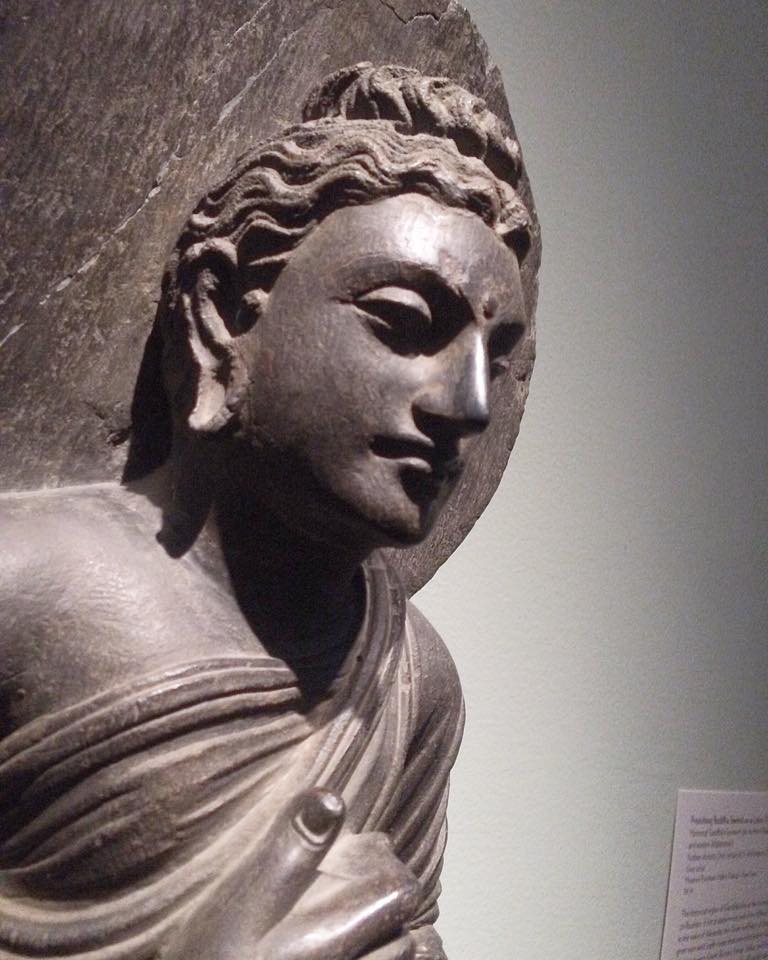
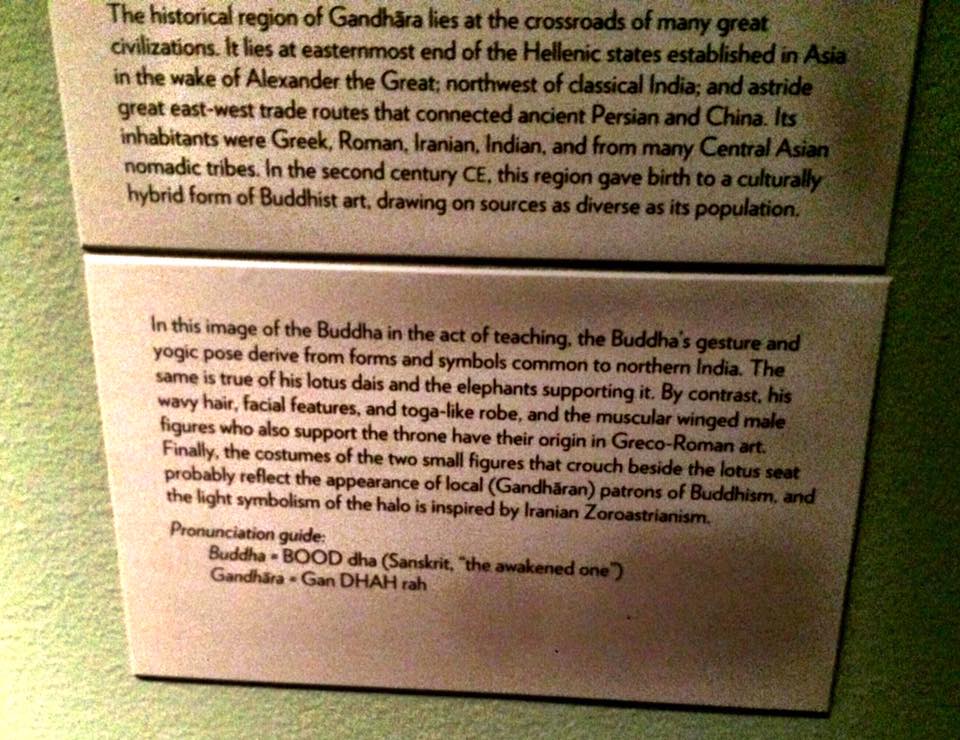
@Hallowedart The analogy rarely drawn but the fusion of Roman, Carolingian and Ottonian, Byzantine, and local Germanic traditions defining the mature Romanesque school finds a multi-ethnic correlative in the Hellenistic features of (1-6 CE) Gandharan Buddhist art in the Greco-Roman style.
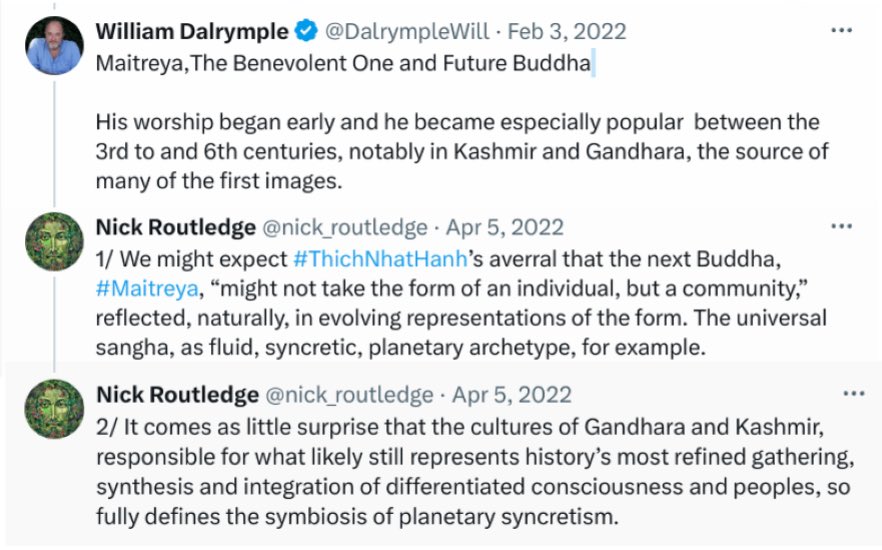
Image description
Original X alt text
Copy of tweet thread here: Maitreya,The Benevolent One and Future Buddha His worship began early and he became especially popular between the 3rd to and 6th centuries, notably in Kashmir and Gandhara, the source of many of the first images. 1/ We might expect #ThichNhatHanh’s averral that the next Buddha, #Maitreya, “might not take the form of an individual, but a community,” reflected, naturally, in evolving representations of the form. The universal sangha, as fluid, syncretic, planetary archetype, for example. 2/ It comes as little surprise that the cultures of Gandhara and Kashmir, responsible for what likely still represents history’s most refined gathering, synthesis and integration of differentiated consciousness and peoples, so fully defines the symbiosis of planetary syncretism.
@Edie_DerVrit @WilhelmLennox @archaeologyart Yes, one of the world's most remarkable melting pots. And from the same area, a 'Caucasian Buddha'. Buddhism meets Greco-Roman. At the Portland, OR, art museum. Images mine from a few years back