
Nick Routledge@nick_routledge

Mid-to-late June in W. Oregon, we seed crops accounting for the backbone of our year-round cropping systems. Why? The Oct-May 'fall-winter harvest' feeds us most of the year. With day length now declining, the race to size up plants for the long haul has begun. @CultivateOregon x.com/covidyoga/status/1542532919557648385
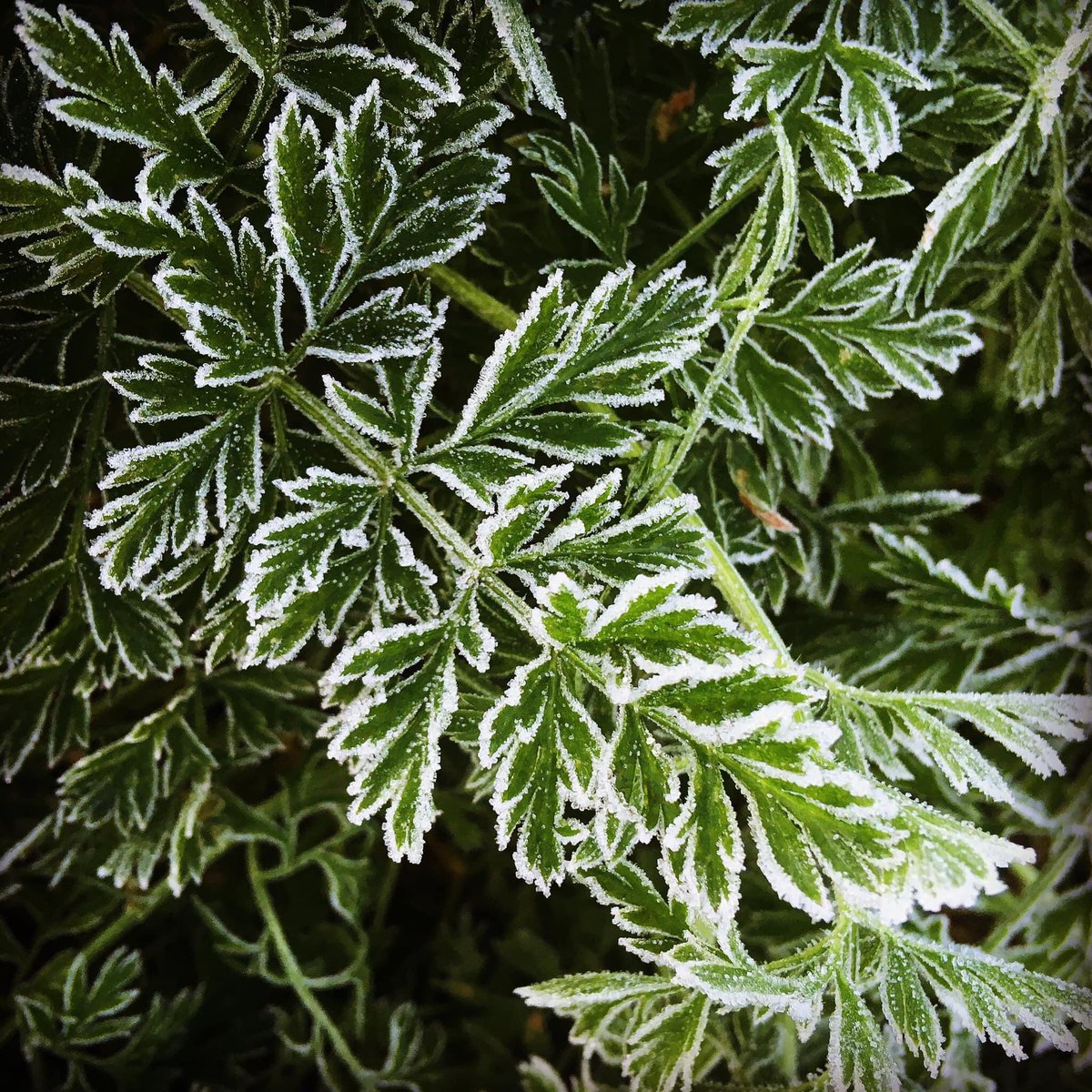
Image attached to this archived post

Context in the archive

Quoted byRT @nick_routledge: @AgrarianSharing Wow, that seems notable. 24 years specializing in not-for-profit winter cropping and now, over 95% of the material on my nursery tables consists of highly diverse, highly-adaptive genepool-populations. A hand, please, for the co-evolutionary ecology of deep teamwork.Quoted by@AgrarianSharing Wow, that seems notable. 24 years specializing in not-for-profit winter cropping and now, over 95% of the material on my nursery tables consists of highly diverse, highly-adaptive genepool-populations. A hand, please, for the co-evolutionary ecology of deep teamwork.Quoted byRT @nick_routledge: I've been teaching PNW winter cropping with Andrew Still @AdaptiveSeeds for almost two decades now. On June 10, we're tag-teaming, with live stream attached, yet again. Andrew and I like to mix it up: seed-saving on overwintered Brassicas, a sure topic this year. @agrariansharingQuoted byI've been teaching PNW winter cropping with Andrew Still @AdaptiveSeeds for almost two decades now. On June 10, we're tag-teaming, with live stream attached, yet again. Andrew and I like to mix it up: seed-saving on overwintered Brassicas, a sure topic this year. @agrariansharing