
Nick Routledge@nick_routledge
Reply to @yourauntemma

@yourauntemma 'We see the world as we are, not as it is,' is an ancient insight, common to global wisdom traditions. But oft credited to Rabbi Shemuel ben Nachmani in the Talmudic tractate, Berakhot. What truly matters? We ourselves may access the transfigurative alchemy such insight empowers.
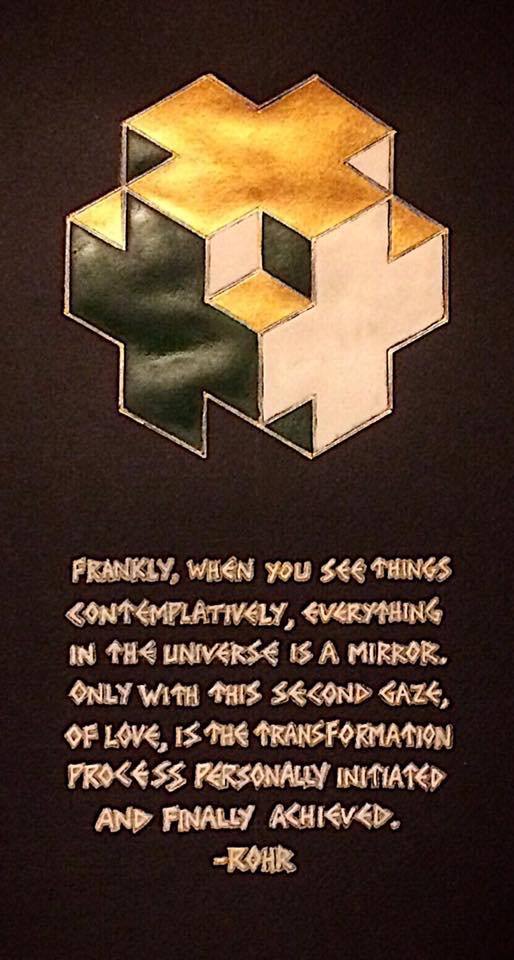
Image attached to this archived post

Context in the archive

Quoted by@SophiaCycles A disturbance representing a/the primary quotidian trigger and locus for refining ourselves in the divine image? Dogen: "When the Self advances to confirm the ten thousand things, that is delusion. When the ten thousand things advance to confirm the self, that is realization.”Quoted by@noonessleep Perennial wisdom, perhaps. The Berkahot (English: 'Blessings') was composed around 200 CE, for example.Quoted by@theasnow Perennial wisdom long pre-dating Anais Nin. The Berkahot (English: 'Blessings') was composed around 200 CE, for example.Quoted by@stewartdantec The eye of the beholder, I tell ya. ‘For now we see through a glass darkly’ (Cor. 1:13) And that's why Blake can say, if the doors of perception were cleansed everything would appear to man as it is, infinite.Quoted by@nils_gilman Nothing new under the sun. People must have an object commensurate to their fears, their disarray.Quoted by@holdengraber God comes to us in disguise, as the book of our life, the mystics say.